
When it comes to home security, your locks are your first line of defense against intruders and the elements. Just like your HVAC system or your vehicle, locks require regular maintenance to function properly throughout the year. In Columbia, South Carolina, our unique climate—with hot, humid summers and occasional winter freezes—can take a toll on your home's locking mechanisms. At Columbia Security & Locksmith, we've seen firsthand how seasonal changes affect lock performance, and we're here to share our expert maintenance tips to keep your home secure year-round.
Why Seasonal Lock Maintenance Matters
Many homeowners don't think about their locks until something goes wrong—a key breaks in the cylinder, a deadbolt won't turn, or a door won't latch properly. However, preventive maintenance can save you from emergency lockout situations and costly repairs. Columbia's weather patterns create specific challenges for lock hardware:
- Humidity and moisture can cause internal components to corrode
- Temperature fluctuations lead to metal expansion and contraction
- Pollen and debris accumulate in lock mechanisms during spring
- Cold snaps can freeze moisture inside locks
Spring Maintenance: Refresh and Renew
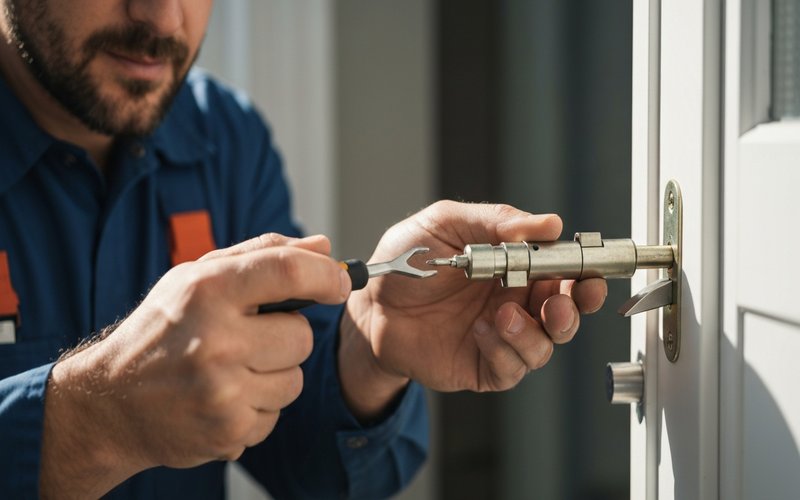
Spring in Columbia brings beautiful weather, but it also means increased pollen, dust, and humidity. This is the perfect time to give your locks a thorough cleaning and inspection.
Cleaning Your Locks
Start by removing accumulated debris from the winter months. Use compressed air to blow out dust, pollen, and other particles from keyholes and lock mechanisms. For exterior locks, pay special attention to removing any cobwebs or insect nests that may have formed around the hardware.
Lubrication Is Key
After cleaning, apply a graphite-based lubricant or a specialized lock lubricant to your locks. Avoid using WD-40 or oil-based products, as these can attract dirt and gum up the mechanism over time. Insert the lubricant into the keyhole and work your key in and out several times to distribute it evenly throughout the pins and tumblers.
Check for Wear and Damage
Inspect your keys for signs of wear. If you notice that keys are becoming difficult to insert or turn, they may be worn down and need replacement. Also check for:
- Loose screws on lock plates and strike plates
- Misaligned doors that cause locks to stick
- Rust or corrosion on exterior hardware
- Cracks in lock housings or cylinders
Summer Preparation: Beat the Heat and Humidity
Columbia summers are notoriously hot and humid, which can wreak havoc on your locking mechanisms. High humidity levels can cause moisture to penetrate locks, leading to internal corrosion and rust.
Protect Against Moisture
For exterior locks, consider installing or replacing weather stripping around doors to minimize moisture exposure. If you have locks that are directly exposed to rain or sprinkler systems, check that protective covers or shields are properly installed and functioning.
Test All Entry Points
Summer is when many families go on vacation, making it crucial to ensure all locks are functioning properly before you leave. Test every lock in your home, including:
- Front and back door deadbolts
- Sliding glass door locks
- Window locks
- Garage door locks
- Gate locks
Upgrade to Weather-Resistant Hardware
If you notice that certain locks consistently have moisture-related problems, consider upgrading to weather-resistant or marine-grade hardware. These specialized locks are designed to withstand harsh environmental conditions and provide superior protection against the elements.
Fall Maintenance: Prepare for Temperature Changes
As temperatures begin to drop in Columbia, it's time to prepare your locks for the upcoming cooler months. Fall maintenance focuses on ensuring your locks can handle temperature fluctuations without freezing or sticking.
Deep Clean Before Winter
Give your locks another thorough cleaning to remove any summer buildup. Pollen, humidity-related residue, and dirt can accumulate over the summer months. Use this opportunity to inspect for any damage that may have occurred during the hotter months.
Check Door Alignment
Temperature changes can cause wooden doors to expand and contract. As temperatures cool, check that all doors are properly aligned with their frames. A misaligned door can put stress on locks and make them harder to operate. If you notice alignment issues:
- Tighten hinge screws
- Adjust strike plates if necessary
- Plane down swollen wood if doors are sticking
- Add or remove weatherstripping as needed
Inspect Weatherproofing
Check the condition of all weatherproofing materials around exterior doors. Replace worn weather stripping, door sweeps, and threshold seals. Proper weatherproofing not only improves energy efficiency but also protects locks from moisture and debris.
Winter Care: Freeze Prevention and Protection
While Columbia doesn't experience harsh winters like northern states, we do get occasional freezing temperatures that can affect lock performance. Winter maintenance focuses on preventing freeze-related issues.
Prevent Lock Freezing
Moisture that gets into a lock can freeze when temperatures drop, making the lock impossible to use. To prevent this:
- Apply a dry lubricant before the first freeze
- Install protective covers over exterior locks
- Keep a lock de-icer product handy for emergencies
- Never force a frozen lock—apply gentle heat instead
Test Emergency Access
Winter storms can knock out power and create emergency situations. Make sure you have:
- Spare keys in secure, accessible locations
- Flashlights near all entry points
- Emergency contact information for locksmith services
- Battery backup systems for electronic locks
Review Security During Holiday Season
The holiday season brings increased package deliveries and travel, making home security more important than ever. Consider upgrading to smart locks that allow you to grant temporary access to delivery drivers or provide codes to housesitters while you're away visiting family.
Year-Round Best Practices
Beyond seasonal maintenance, certain practices should be followed throughout the year to keep your locks in optimal condition.
Regular Key Inspection
Examine your keys monthly for signs of wear, bending, or damage. If you notice your key is becoming difficult to use, have it replaced before it breaks off in the lock. Keep spare keys in secure locations, but avoid hiding them in obvious spots like under doormats or in fake rocks.
Professional Inspections
Schedule an annual professional locksmith inspection. A trained locksmith can identify potential issues before they become problems and recommend upgrades to improve your home security. Professional inspections should include:
- Complete lock functionality testing
- Security assessment of all entry points
- Recommendations for outdated or vulnerable locks
- Rekeying services if you've had tenant changes or lost keys
Smart Lock Maintenance
If you have electronic or smart locks, they require additional care:
- Replace batteries twice yearly or as needed
- Update firmware regularly for security patches
- Clean electronic components carefully with appropriate products
- Test backup mechanical keys periodically
Common Lock Problems and Solutions
Even with proper maintenance, issues can arise. Here are common problems Columbia homeowners face:
Sticky or Stiff Locks: Usually caused by debris or lack of lubrication. Clean thoroughly and apply graphite lubricant.
Keys Difficult to Turn: May indicate worn keys, internal pin damage, or misalignment. Try a spare key first; if the problem persists, call a professional.
Locks That Won't Latch: Often caused by door misalignment or strike plate issues. Check alignment and adjust hardware as needed.
Corroded Hardware: Common in humid climates. Replace corroded components promptly to maintain security.
Frequently Asked Questions
Does South Carolina require a locksmith license?
Yes, South Carolina requires locksmiths to be licensed through the South Carolina Department of Labor, Licensing and Regulation. Always verify that your locksmith is properly licensed and insured before hiring them for any work.
Is a locksmith well paid?
Locksmithing is a skilled trade that offers good earning potential. Professional locksmiths in South Carolina earn competitive wages, especially those with specialized skills in security systems and commercial lock installation. Emergency services and specialized work command premium rates.
Does a handyman need a license in SC?
In South Carolina, handymen performing minor repairs typically don't need a license for jobs under $200. However, specialized work like locksmith services requires proper licensing. For lock installation, repair, or rekeying, always use a licensed locksmith rather than a general handyman to ensure proper installation and maintain your home's security.
Professional Help When You Need It
While many maintenance tasks can be handled by homeowners, some situations require professional expertise. Contact a licensed locksmith if you experience:
- Repeated lock failures despite maintenance
- Security concerns about outdated locks
- Difficulty with commercial-grade or high-security locks
- Need for rekeying after a break-in or lost keys
- Installation of new lock systems
Conclusion
Proper seasonal maintenance of your locks is essential for maintaining home security and preventing inconvenient lockouts. By following these seasonal tips and establishing year-round best practices, you can extend the life of your locks, ensure smooth operation, and protect your Columbia home throughout the year. Remember that while DIY maintenance handles routine care, professional locksmith services are invaluable for inspections, upgrades, and complex issues.
At Columbia Security & Locksmith, serving the Columbia area from our location at 4460 Broad River Road, we're committed to helping you maintain optimal home security. Whether you need routine maintenance, emergency lockout services, or a complete security upgrade, our licensed professionals are ready to help. Don't wait for a lock failure to compromise your security—schedule your seasonal lock inspection today and enjoy peace of mind knowing your home is properly protected year-round.